
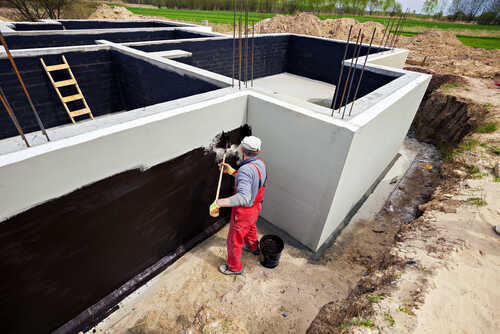
A basement is one of the most valuable parts of a home, but it is also the most vulnerable to moisture problems. Without proper planning and execution, water intrusion, dampness, mold growth, and structural damage can become serious issues. That’s why waterproof basement construction techniques are essential in modern home building and renovation projects.
Whether you are working on basement construction, basement finishing services, or a full custom basement construction project, proper waterproofing ensures long-term durability, safety, and comfort. This guide explains proven techniques used by professional contractors to prevent moisture damage and protect your investment.
Why Waterproof Basement Construction Matters
Basements sit below ground level, which makes them naturally exposed to:
- Groundwater pressure
- Soil moisture
- Rainwater seepage
- Foundation cracks
- Humidity buildup
Without proper basement waterproofing solutions, even newly built homes can experience leaks and dampness over time. This is why residential basement construction always includes waterproofing as a core step, not an optional upgrade.
Moisture damage can lead to:
- Mold and mildew growth
- Structural weakening of concrete walls
- Damaged flooring and drywall
- Poor indoor air quality
- Reduced property value
1. Proper Site Preparation and Foundation Excavation
Every successful basement construction project begins with correct site preparation. During excavation, contractors ensure proper grading and drainage around the foundation.
Key practices include:
- Slope grading away from the home
- Installing temporary drainage channels
- Compacting soil to reduce water retention
This stage is critical because poor excavation can lead to long-term water pooling and foundation pressure.
2. High-Quality Concrete Basement Walls
Strong concrete basement walls form the first line of defense against moisture. In professional basement builders near me searches, experienced contractors prioritize reinforced concrete with proper curing techniques.
Best practices:
- Use waterproof concrete mixtures
- Install steel reinforcement bars (rebar)
- Ensure proper curing time for strength
- Avoid honeycombing or structural gaps
A solid foundation significantly reduces the risk of cracks where water can enter.
3. Exterior Waterproof Membrane Application
One of the most effective basement waterproofing solutions is applying a waterproof membrane on the exterior foundation walls.
Types of membranes:
- Liquid waterproof coatings
- Rubberized asphalt membranes
- Sheet membranes
These materials create a barrier that prevents groundwater from penetrating the structure. This step is essential in both basement framing and construction and basement remodeling services.
4. Installation of Proper Drainage Systems
Drainage systems are crucial in preventing hydrostatic pressure buildup around the basement walls.
Common systems include:
- French drains
- Drain tiles
- Gravel drainage beds
- Perimeter drainage pipes
These systems redirect water away from the foundation, reducing the risk of seepage. Without proper drainage, even the best waterproofing layers can fail over time.
5. Foundation Crack Sealing
Cracks are one of the most common entry points for water in basements. During basement renovation contractors work, sealing cracks is a priority step.
Techniques used:
- Epoxy injection for structural cracks
- Polyurethane foam injection for leaks
- Hydraulic cement patching
This ensures that even small openings are sealed before finishing work begins.
6. Interior Waterproofing Systems
While exterior protection is primary, interior systems provide backup protection, especially in older homes or basement remodeling services.
Interior methods include:
- Vapor barriers on walls
- Interior drainage channels
- Sump pump installation
- Dehumidification systems
A sump pump is especially important in areas with high water tables, as it actively removes collected water.
7. Proper Basement Framing and Insulation
During basement framing and construction, moisture-resistant materials should always be used.
Recommended materials:
- Pressure-treated lumber
- Metal framing studs
- Moisture-resistant drywall (green board)
- Closed-cell spray foam insulation
These materials help reduce mold risk and improve energy efficiency in finished basement ideas projects.
8. Moisture Control and Ventilation Systems
Humidity control is essential for long-term basement protection. Even if water doesn’t directly enter, moisture in the air can still cause damage.
Solutions include:
- Mechanical ventilation systems
- Whole-home dehumidifiers
- Proper HVAC integration
- Air circulation design
Good airflow prevents condensation buildup on walls and floors.
9. Waterproof Flooring Installation
Flooring is often overlooked, but it plays a major role in basement finishing services.
Best flooring options:
- Vinyl plank flooring (LVP)
- Ceramic or porcelain tiles
- Epoxy-coated concrete
- Moisture-resistant engineered wood
These materials resist water damage and are ideal for finished basement ideas that prioritize durability.
10. Routine Inspection and Maintenance
Even the best custom basement construction requires regular maintenance to stay waterproof.
Maintenance checklist:
- Inspect foundation walls for cracks
- Check sump pump functionality
- Clean drainage systems
- Monitor humidity levels
- Inspect seals around windows and doors
Regular maintenance prevents small issues from becoming costly repairs.

Common Mistakes in Basement Waterproofing
Many homeowners searching for basement builders near me make avoidable mistakes such as:
- Skipping exterior waterproofing
- Using low-quality sealants
- Ignoring drainage systems
- Poor insulation installation
- Not installing sump pumps
Avoiding these mistakes ensures a long-lasting, dry basement.
Benefits of Professional Basement Construction
Hiring experts for residential basement construction provides several advantages:
- Long-term structural protection
- Higher property value
- Energy-efficient living space
- Increased usable square footage
- Reduced maintenance costs
Professionals also ensure that every step from excavation to finishing follows industry standards.
Final Thoughts
Waterproofing is not just a step in basement construction—it is the foundation of a safe, durable, and usable space. From foundation excavation services to basement finishing services, every stage must include moisture protection strategies.
By using proven waterproof basement construction techniques, homeowners can prevent moisture damage, avoid costly repairs, and create comfortable living spaces that last for decades.
Whether you are planning a full custom basement construction or upgrading an existing space with basement renovation contractors, investing in proper waterproofing is one of the smartest decisions you can make for your home.