
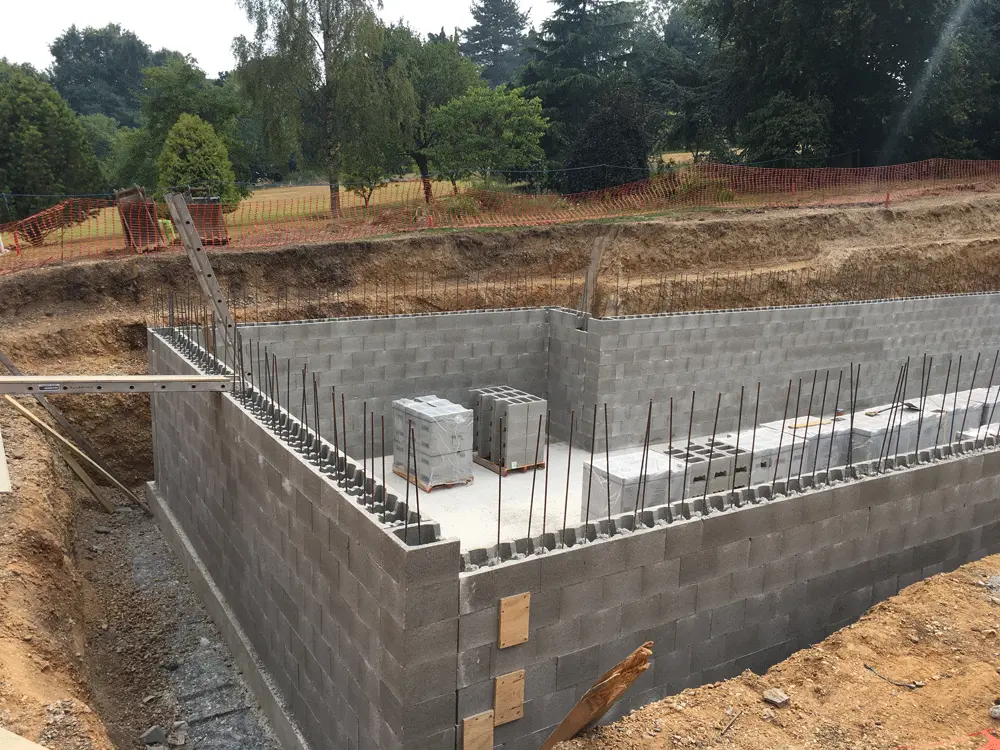
Homeowners planning a basement often start by asking about basement construction cost, since it plays a major role in deciding the overall budget, design, and feasibility of the project. Adding a basement is one of the smartest ways to increase usable living space, strengthen a home’s foundation, and improve long-term property value.
Whether you’re building a new home or adding a basement beneath an existing structure, understanding the factors that influence construction costs can help you plan better and avoid unexpected expenses.
A professionally constructed basement can serve as a home office, entertainment area, guest suite, fitness room, rental unit, or additional storage space. While the investment can be significant, proper planning, quality materials, and skilled workmanship help ensure lasting value and functionality for years to come.
What Are Basement Construction Services?
Basement Construction Services include all work required to create a basement structure beneath a home. The process involves site evaluation, excavation, foundation work, waterproofing, drainage installation, framing, utilities, insulation, and final finishing.
Unlike remodeling, basement construction starts from the ground up and requires extensive structural and engineering expertise.
Basement Construction vs Basement Finishing
Many homeowners confuse these two services.
Basement Construction
This involves creating a brand-new basement structure, including:
- Excavation
- Foundation walls
- Footings
- Structural reinforcement
- Waterproofing systems
- Drainage installation
Basement Finishing
Finishing improves an existing unfinished basement through:
- Framing
- Drywall
- Flooring
- Lighting
- Paint
- Interior design upgrades
Which Is the Better Investment?
If a property already has an unfinished basement, finishing usually offers faster returns. If no basement exists, construction creates substantial long-term value and additional living space.
Complete Basement Construction Process From Excavation to Final Build
Site Assessment and Planning
Every successful project begins with evaluating:
- Soil conditions
- Drainage patterns
- Water table levels
- Structural requirements
- Utility locations
Proper planning helps prevent delays and unexpected costs.
Excavation
Heavy equipment removes soil to create space for the basement. The complexity depends on site accessibility, soil type, and excavation depth.
Foundation Installation
The foundation supports the entire structure above. This phase includes:
- Concrete footings
- Reinforcement steel
- Foundation walls
- Structural inspections
Waterproofing and Drainage
One of the most important stages is waterproof basement construction. Contractors typically install:
- Waterproof membranes
- Drain tile systems
- Sump pumps
- Moisture barriers
- Exterior drainage solutions
Structural Construction
After foundation completion, contractors build structural components that ensure long-term strength and stability.
Utility Installation
This stage includes:
- Electrical wiring
- Plumbing systems
- HVAC installation
- Ventilation systems
Interior Finishing
The final stage transforms the basement into functional living space through insulation, drywall, flooring, trim work, and painting.
Basement Construction Cost Guide With Complete Pricing Breakdown
One of the most common questions homeowners ask is: How much does professional basement construction cost per square foot?
In 2026, most residential basement construction projects range from approximately $50 to $150+ per square foot depending on project complexity and location.
Major Cost Factors
Excavation and Foundation
Costs depend on:
- Soil conditions
- Access to equipment
- Excavation depth
- Foundation design
Materials
Material quality significantly impacts pricing. Common expenses include:
- Concrete
- Reinforcement steel
- Waterproofing systems
- Framing lumber
- Insulation
- Flooring
Labor
Labor often represents a large percentage of total project costs because multiple skilled trades are required.
Permits and Inspections
Most municipalities require permits and inspections throughout construction.
Utilities
Adding bathrooms, kitchens, or specialty spaces increases plumbing, electrical, and HVAC expenses.
Hidden Basement Construction Costs Most Homeowners Overlook
Common overlooked expenses include:
- Soil remediation
- Drainage improvements
- Utility relocation
- Foundation engineering
- Permit revisions
- Waterproofing upgrades
Budgeting for contingencies can help prevent financial surprises.
Professional Basement Construction vs DIY Basement Projects
Some homeowners consider building portions of a basement themselves.
Benefits of Professional Construction
- Code compliance
- Structural expertise
- Proper waterproofing
- Faster completion
- Reduced risk
Risks of DIY Construction
- Structural issues
- Water intrusion
- Failed inspections
- Safety concerns
- Expensive repairs
For major structural work, professional construction generally delivers superior long-term results.
Waterproof Basement Construction vs Standard Construction
Water damage remains one of the leading causes of basement problems.
Waterproof Construction Includes
- Exterior waterproof membranes
- Foundation drainage systems
- Sump pumps
- Moisture barriers
- Proper grading
Standard Construction Risks
Without proper waterproofing, homeowners may experience:
- Mold growth
- Water intrusion
- Structural deterioration
- Reduced property value
Investing in waterproofing during construction is typically far less expensive than future repairs.
Premium Basement Construction Materials vs Budget Alternatives
Premium Materials
Benefits include:
- Greater durability
- Better moisture resistance
- Improved energy efficiency
- Longer lifespan
Budget Materials
While they reduce upfront costs, lower-quality materials often require more maintenance and earlier replacement.
The best value comes from balancing quality, durability, and budget.
Basement Construction Challenges and Professional Solutions
Experienced contractors regularly encounter challenges such as:
Poor Soil Conditions
Solution: Engineering modifications and foundation reinforcement.
High Water Tables
Solution: Advanced drainage and waterproofing systems.
Limited Site Access
Solution: Specialized excavation equipment and phased construction.
Permit Delays
Solution: Thorough planning and early communication with local authorities.
Basement Construction Mistakes Homeowners Should Avoid
Through years of residential construction projects, several mistakes appear repeatedly:
- Choosing contractors based solely on price
- Ignoring waterproofing recommendations
- Underestimating budgets
- Skipping professional inspections
- Failing to verify licensing and insurance
- Selecting low-quality materials
Avoiding these mistakes can save thousands of dollars and prevent future headaches.
Basement Construction Contractor vs General Contractor
A basement construction specialist typically focuses on excavation, foundations, waterproofing, and structural work.
A general contractor may coordinate multiple trades but not necessarily specialize in basement systems.
For complex projects, homeowners often benefit from working with experienced basement construction professionals who understand the unique requirements of below-grade structures.
Basement Construction Return on Investment and Resale Value
A properly constructed basement can significantly increase home value by adding functional square footage.
Potential benefits include:
- Higher resale value
- Greater buyer appeal
- Additional living space
- Rental income opportunities
- Improved functionality
The exact return depends on local market conditions, construction quality, and how the space is used.
How to Choose a Basement Construction Contractor
Look for professionals who are:
- Licensed and insured
- Experienced with similar projects
- Knowledgeable about local codes
- Transparent with pricing
- Supported by positive customer reviews
Request references, review past projects, and ask detailed questions about waterproofing, structural systems, and project timelines.
Frequently Asked Questions
How much does professional basement construction cost per square foot?
Most projects range between $50 and $150+ per square foot depending on location, materials, labor, and design complexity.
How long does basement construction take?
Most residential projects take several weeks to several months depending on size, weather conditions, permits, and project scope.
Is waterproofing necessary?
Yes. Proper waterproofing protects against moisture damage, mold, and structural issues.
Does basement construction increase home value?
In many cases, yes. Additional functional living space often improves both resale value and market appeal.
Is professional construction better than DIY?
For structural work, excavation, and waterproofing, professional construction generally provides safer and more durable results.
Conclusion
Basement construction is a major investment that can dramatically improve a home’s functionality, value, and long-term usability. From excavation and foundation work to waterproofing and interior finishing, every stage requires careful planning and skilled execution. Homeowners who prioritize quality materials, experienced contractors, and proper waterproofing typically enjoy the best long-term outcomes. If you’re considering a basement project and want durable, high-quality results, Level B Inc Basement Finishing Company can help guide you through the process and turn your vision into a functional, lasting space.